
Ryan Czerwonko and I have been having conversations for a few years—about theatre and film and books and life. I feel that we remain passionate about actors and acting, even if we sometimes feel that most artists are standing on rotting floorboards. So, Ryan goes on, unbowed, along with his Adult Film, an artistic group that keeps studying, training, producing, opening the doors to the curious, the insatiable, the dedicated. I will be writing more about Ryan, but this is his introduction. There are links within this piece for you to click on and submit to what he’s been doing. Here is an excerpt from an email I received from Ryan in February of 2025:
As you may know, I'm the artistic director of ADULT FILM, a Brooklyn based film/theatre group + artistic training center. Our production of Chekhov's SEA GULL last spring/summer was the culmination of a yearlong process. I'm excited to share a link with you to the performance film we've made of that experience, that we've just released online. Now we are in the midst of another yearlong process, this time on THE CHERRY ORCHARD.
I asked Ryan to bring me up to date on things that have happened for him and his company since that email. Here is what he sent me, in his unique and avid fashion.
2023: I’m in a hotel room while doing a regional theatre production. One year prior, I had started a theatre company in my living room called “Adult Film.” Ambiguity, bad behavior, and the dark side were the mature themes I wanted to explore with the group in an infantilized world and theatre landscape. We had done readings in basements, in bars, entire theatre festivals in a backyard. It was time to move on to a more cohesive project that could contain a laboratory for the main theme I wanted to explore - acting - not film acting or theatre acting, but the nature of the art of acting itself.
On the Back to One podcast: an episode with Andre Gregory on his book, “This is Not a Memoir.” I had seen Vanya on 42nd Street and I knew his theatre pieces had intensely long processes, but delving into the nature of a four-year rehearsal, or a fourteen-year rehearsal, was revelatory. In thought: in our fragmented modern world, can a group of actors get together for even one year to rehearse a Chekhov play? With no financial incentive or guarantee of success? And can they give themselves over to an ensemble-based, experimental acting process?
But which play? I had done The Cherry Orchard in summer stock, and had longed to do another Chekhov, but every email or self-tape sent to any producer had gone unanswered. I had begun to fear I would never get to play my blood memory again (I’m Russian/Polish), and I also wondered how I would pay for the rights to a translation such as Carol Rocamora’s...the answer came from Peter Rinaldi, the host of Back to One.
We talked over my idea, focusing on The Seagull, a play about theater people, about who is in the theater, and who’s kept out of it. Peter said he had some wonderful, unpublished translations by storied character actor John Christopher Jones. A journeyman of the NYC theatre, Chris’s Cherry Orchard translation had been done by Dianne Wiest at Classic Stage, but his Seagull had never been performed. This gentle, generous man with a brilliant mind and a body degenerated by and trapped in a wheelchair by Parkinson’s, gave us this translation for free and ignited a process that changed many lives. Peter also provided a solution for an even bigger problem: a space. Finding affordable space is a never-ending hustle...spaces disappear, change price, never lend themselves to permanence or development. We miraculously established a residency of sorts at Rutgers Presbyterian Church on the Upper West Side on 72nd, at which Peter worked and where Chris was a congregation member.
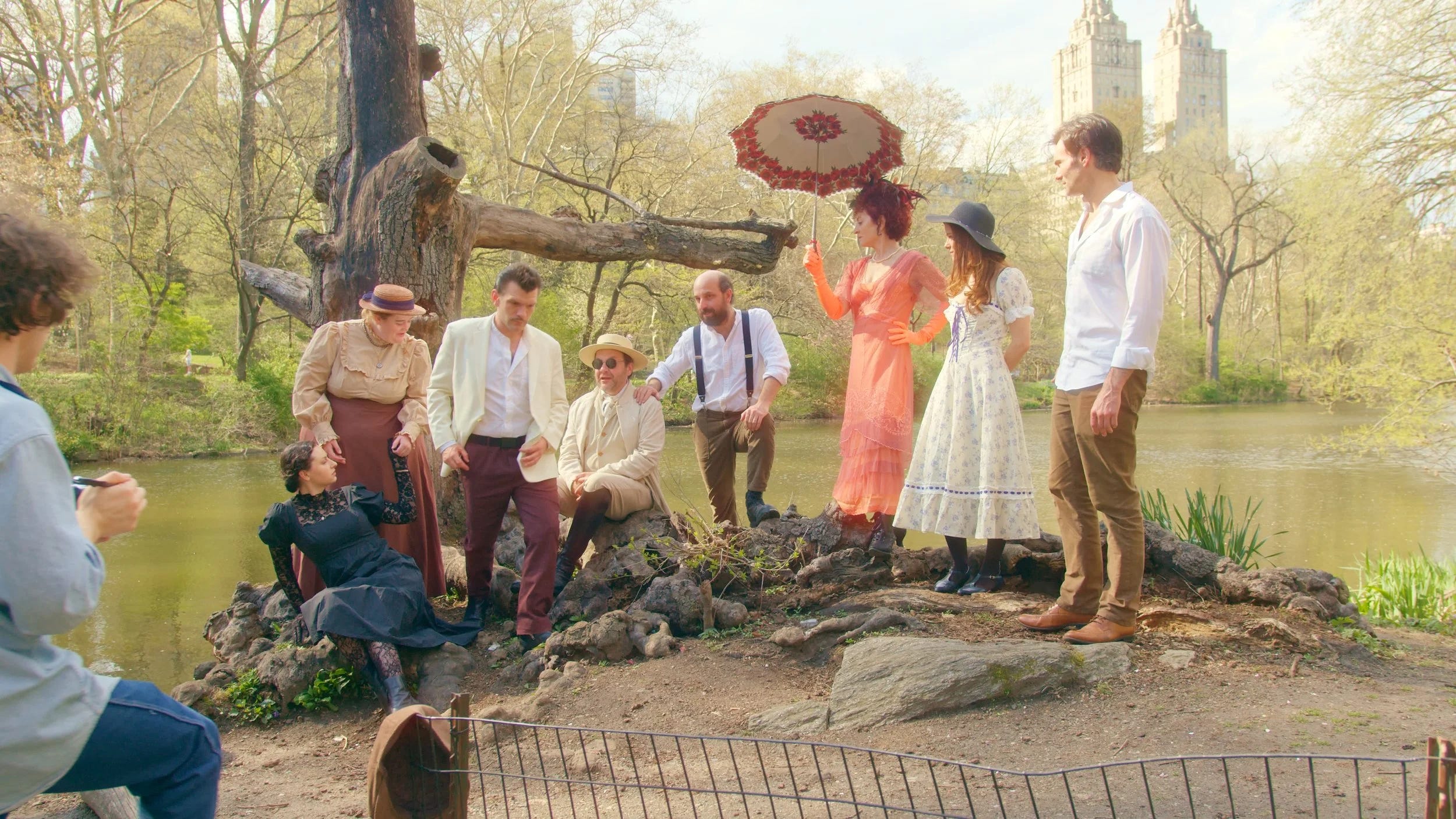
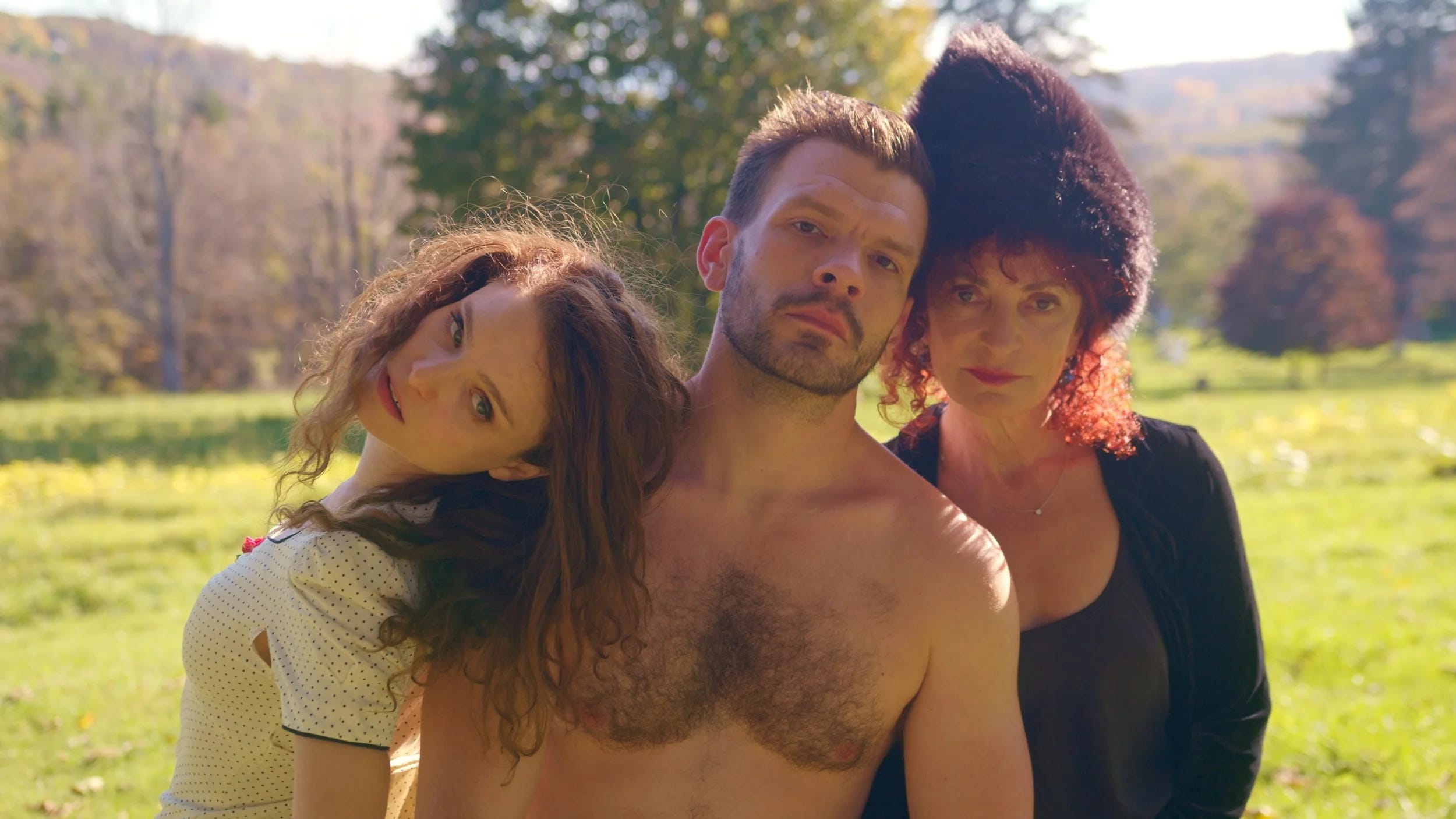
We would do The Seagull. I would direct and play Konstantin and lead the company through an experimental acting technique. We would do a play about people trying to do a play. We would incorporate film into the production, collapsing the boundaries between theatre and film acting. We would also be followed by two filmmakers for the entire year, and film the process, with the goal of making a documentary about the journey. I began assembling a cast that seemed game for this endeavor. Post-Covid, everyone was hungry for work and change. Many people committed, thinking this was an appealing idea, found out it wasn’t for them, and dropped out. At the end of the process, four original cast members remained, with an absurd amount of actors (14 people for six parts) dropping in and out of the show as time went on. At one point, we had three Trigorins in one week. All of this made me want to slit my wrists, not to mention the unforeseen financial costs, the space having asbestos, losing our PR agent.
I was reconditioning the actors. My process allows people to have been wherever they’ve been with their work, but to see the present in a new way and speak from themselves. Build the play out of themselves. Many resisted this - insisted on a “character” or “analysis.” We went through script structure and interpreted it physically. That is what analysis is to me. It’s seeing and trying and failing, not thinking or wishing or planning.
Working with me involves a certain style: I believe Chekhov is sexual, fast-paced, comedic, theatrical—highly influenced by Baz Luhrmann and Sofia Coppola, I throw in anachronistic pop music and dance. Blend that with filmed memories, music videos, live camera feeds, close-ups, theatrical expressiveness, and a relentless pacing.
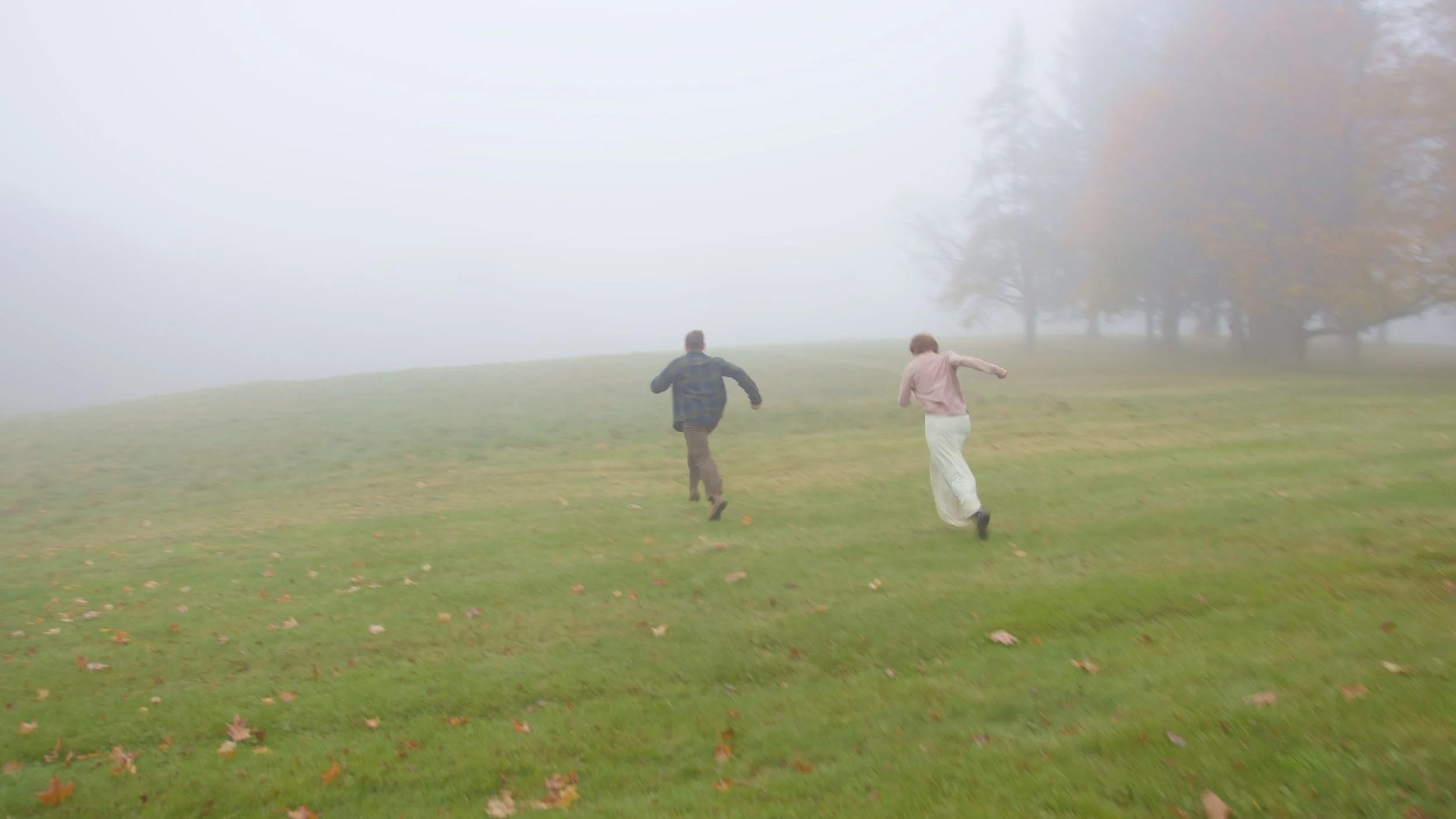
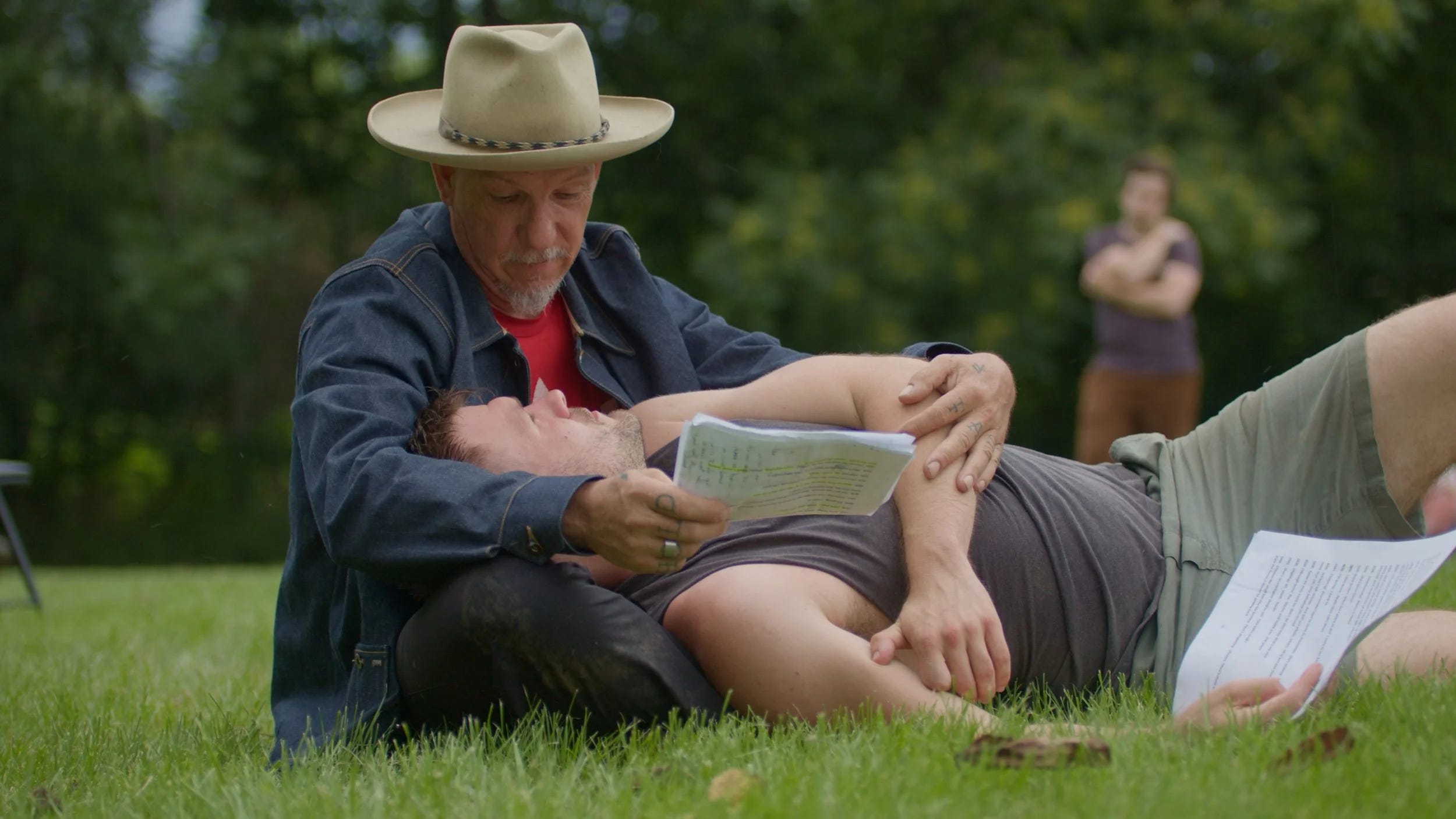
As the documentary film project went on, we realized every single extension of what was happening was about our own lives - actors confronted with the truth of who they are and their limitations making an independent theatre production in a completely impossible, modern NYC. We had been kept out of the establishment theatre, and we were making our own theatre. We thought we had certain abilities, and we were challenging our assumptions about our own talent, becoming confused, emotional, and uncertain. All of this was captured on camera, both for the play itself and for the documentary. There were many levels of exposure, self-revelation, and soul searching being forced on all of us at one time.
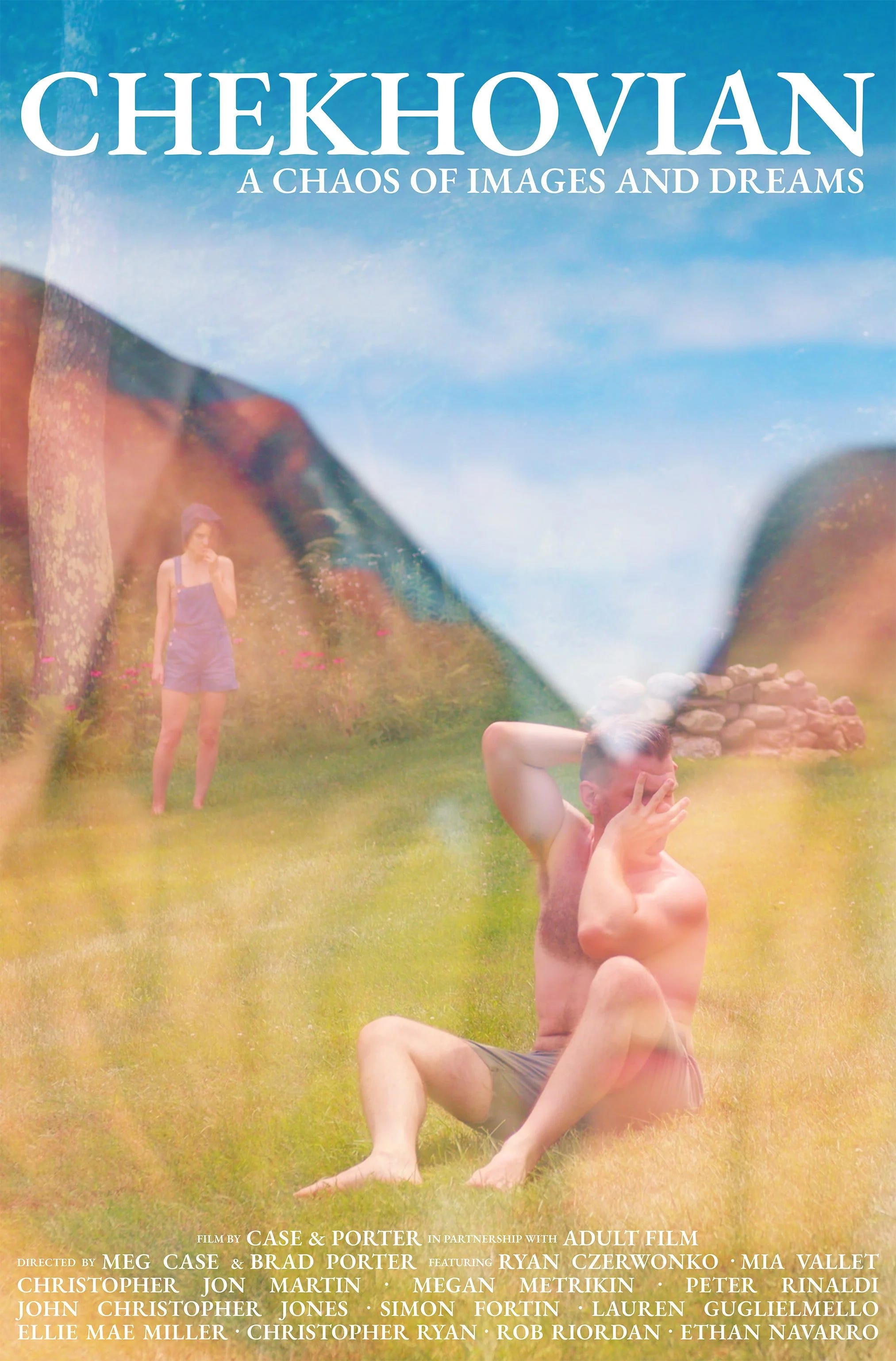
CHEKHOVIAN, the documentary, is sometimes about all of that, but it’s mostly a lighthearted, absurd, delirious, and dreamlike encapsulation of the people who stayed with the process throughout. Mirroring the four-act structure of Seagull, by the time we get to opening night, the darkness has passed and there is an explosion of creative madness - a near Waiting for Guffman level of silliness about actors backstage when they are really having a good time. We began the process with a retreat in the nature of Hudson, NY, and we ended it there with an outdoor performance.
All of this was done for $7500. Everyone made $500 for a year of work. It was a dream that came true. And then it was over...or that part of it was over. We began the process with no real idea about how to produce a play, raise money, deal with press, or sell out a show. Adult Film grew as a company. We got a permanent space, started a training center, and now have 20 company members - actors, writers, directors, designers. As I write this, we have been going for four years total, with over a dozen plays, two feature films, and several short films under our belt. We have received less than $10k in funding from grants, and we maintain a space that costs over $20k per year, which we subsidize purely from ticket sales and studio classes. Hundreds of actors and filmmakers have been featured in our programming, and we have trained thousands of students at this point. It is a working-class theatre company, film studio, and training center dedicated to affordability, accessibility, and making a community, a way of living life as an artist in today’s world while paying tribute to the traditions of the past. In tribute to the 1974 PBS Williamstown Seagull production, we made a performance film of the play. Culled from the thousands of hours of footage for the documentary, isolating the performance itself freed us up to make the documentary about everything that must be done and gone through to make a performance happen, rather than the performance itself.
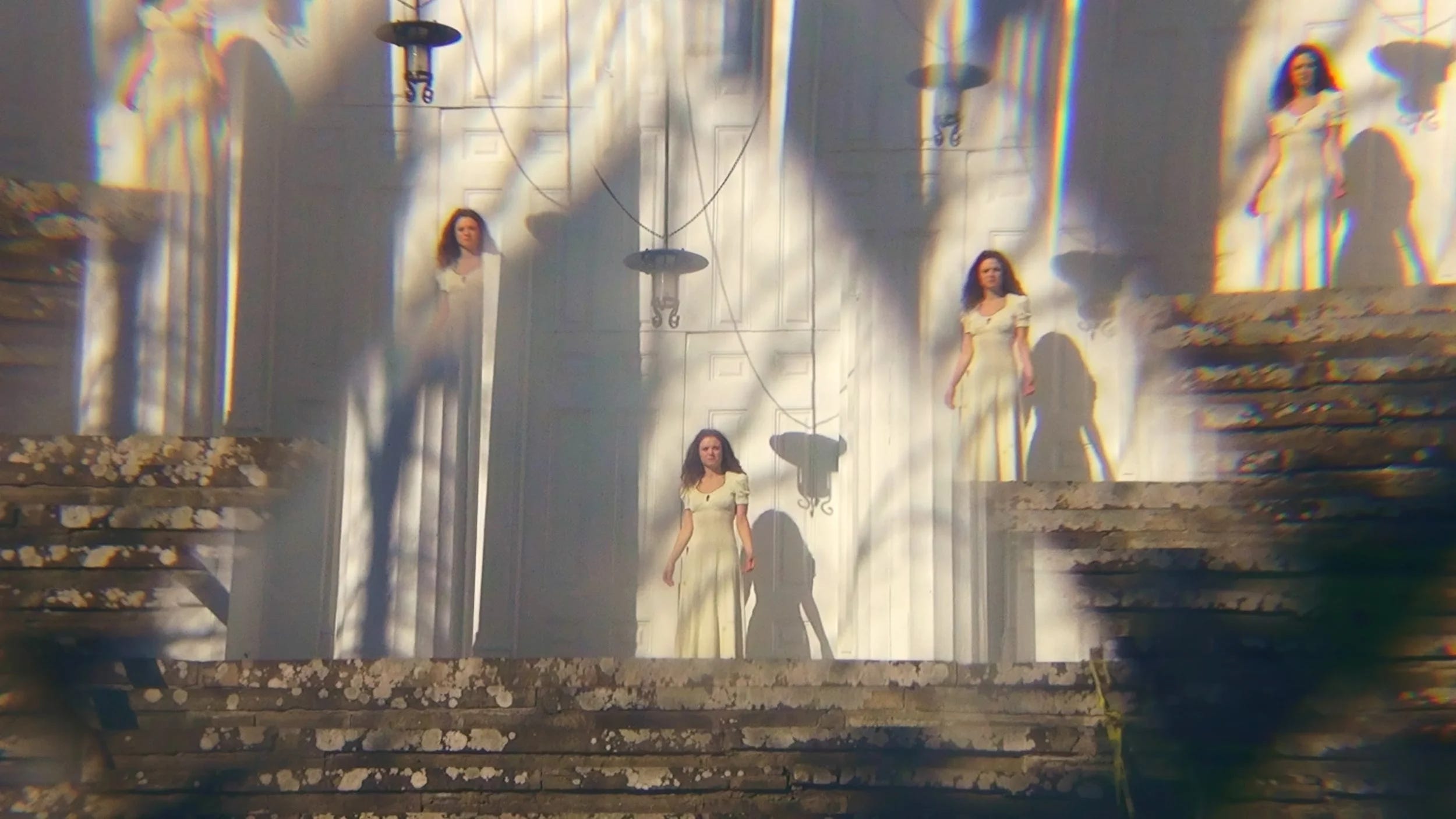
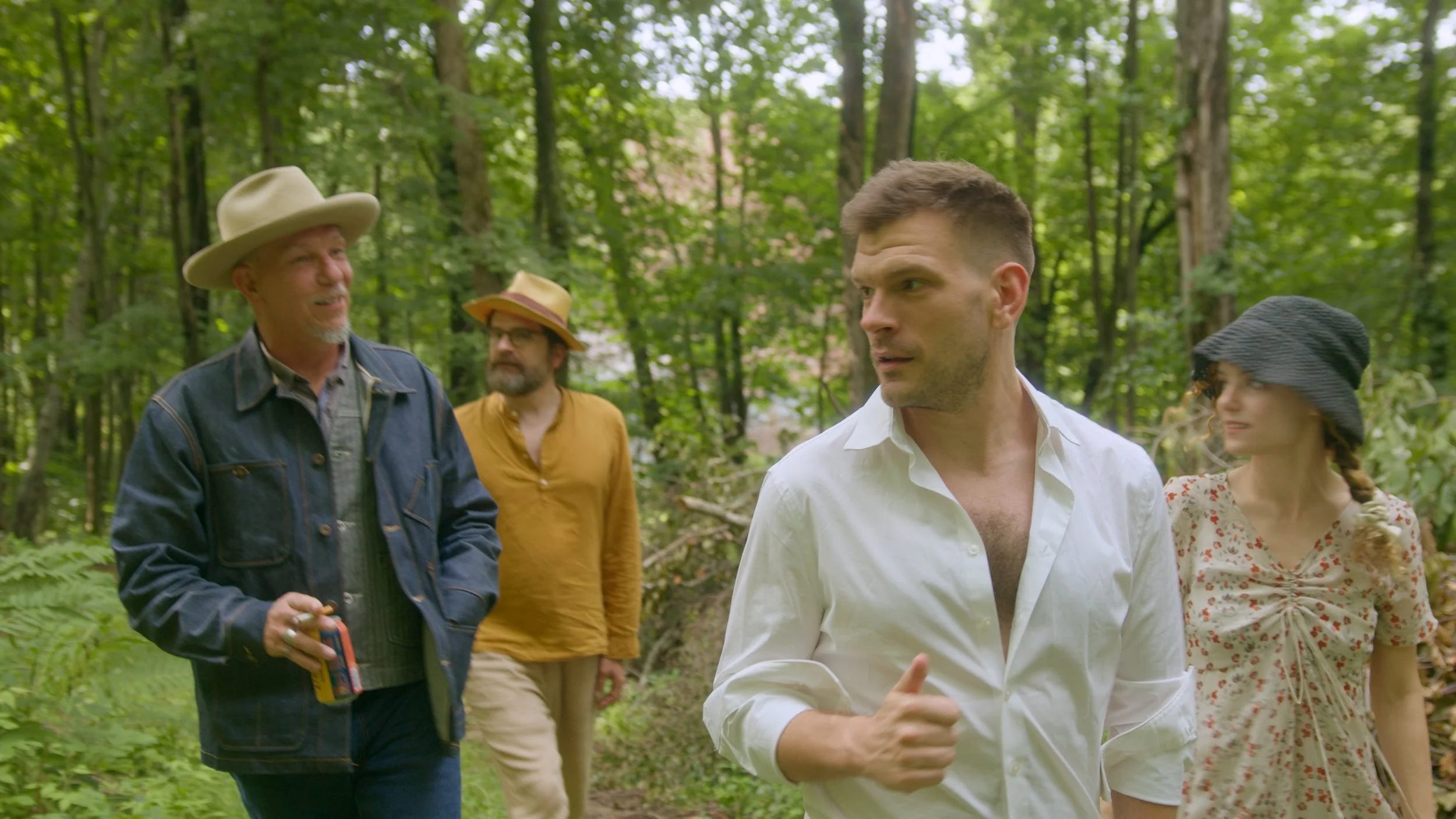
As we edited the documentary over two years, we moved on to a production of The Cherry Orchard with half of the ensemble from Seagull and new additions from the core Adult Film company. Living somewhere between Fellini and David Lynch, on a dance floor with Madonna, this production was an even greater artistic and stylistic risk: it was in some ways more difficult, but even more rewarding. Adult Film managed to put together $25k for this production. I’ve never raised that much money for anything in my life, and I don’t have the ability to raise it again. With the many waves of Chekhov fever that sprang up since we began our first process in May of 2023, I wondered if this much intensity and investment applied to another piece like this was worth it. But anytime I touch Chekhov or read Jean Hackett’s books on Nikos Psacharapoulos and his decades of work on Chekhov at Williamstown, I feel deep peace. I feel my whole self. Chekhov to me is the beginning of the river, which flows down to Tennessee Williams, which then flows through all the great actors of our American tradition, and finally to me, in my heart. I went ahead with it.
About five weeks before the show, an actor who had been a part of the Williamstown Chekhov world and was signed on to play Firs dropped out. This was already Cherry Orchard by way of Juliet of the Spirits so rather than panicking as I would have during Seagull, I calmly decided to make Firs a video ghost. Chris Jones, the translator, was still a stunning actor, no matter what Parkinson’s did to him, and he was game to let us come spend the day with him filming the Firs role as a video projection. Firs would haunt Lubov, a familiar lure to her past, but also a presence pushing her into the future, guiding her past the estate and the Orchard. Four days before opening, without warning, Chris Jones passed away. I cried like I hadn’t cried since the day my relationship of seven years had ended. This man had been the single most influential light in my life through our shared love of Chekhov. None of these experiences would be possible without the gift of his translations. Now he was gone, but he was with us in spirit as the ghost of Firs every night. It was the single most shocking and powerful artistic thing that had ever happened to me. Uncanny, haunted, and deeply spiritual, every night we acted with the spirit of John Christopher Jones as our benevolent guide. This went essentially unnoticed. Chris Jones lived an artist’s life that may no longer be possible in NYC or America. Adult Film and all the people involved with it believe a good and long life as an artist is possible, a respect for acting and its traditions, dignity and commitment. Chris’s example gave us hope for that, through Chekhov. The show was successful: it was a gigantic artistic achievement for the company, but it was not a big break. We moved on. We’re doing another John Christopher Jones translation this summer of WOYZECK, a horror story about class conflict through a humanist lens.
Another slate of Chekhov productions received a wave of adulation this past spring. Our work was not included. The raw power that we had spent four years giving ourselves over to - a dream, a religious devotion, a way of getting through the days, of hoping - was unrecognized, not seen in the written chapter of this part of NYC’s theater history. It’s a huge ego hit. I want to work with all these other artists who love Chekhov and I’m highly influenced by their work. But does loving something too much make you too singular? Can anything be truly seen on its own terms, evaluated from the raw materials of life? It chips away at the belief that the working class can have a seat at the table. The theater - who is it for? Who is allowed to be in it? Who is kept out of it? This is a delicious tension to play in the execution of Seagull, but it’s absolute hell to live. The film is now out for festival submissions, but it may not get into anything. How do you keep loving something that has such power to disappoint you?
But we made a film. Proof that we tried. This is a play not a film. This is a film not a play. Theatre is not the movies...until it is. Ego death can appear to come from without, from a bullet, but it’s always actually you who pulls the trigger. And this kind of death can be transcendent. Konstantin chooses the dream of death, he transcends the imperfection of life. Nina is us - she is the true method actress, she accepts the nuances and subtleties, the card she’s been dealt. Living in uncertainty, a chaos of images and dreams.
“I am Very Chekhovian” - Stella Adler